
touch screen bathroom mirror
Understanding Precision Spirit Levels A Focus on 0.02 mm/m Accuracy In the world of construction, engineering, and craftsmanship, precision is paramount. A critical tool that aids in achieving this precision is the spirit level. Specifically, a precision spirit level with an accuracy of 0.02 mm/m is a fundamental instrument for professionals seeking exactitude in their projects. This article explores the significance of such precision, its applications, and the technology behind these instruments. The Importance of Precision in Measurement Precision in measurement refers to the degree to which repeated measurements under unchanged conditions show the same results. In practical terms, when a spirit level boasts an accuracy of 0.02 mm/m, it means that for every meter of measurement, any deviation from a true horizontal or vertical line can be no more than 0.02 millimeters. At first glance, such a small deviation might appear negligible. However, in high-stakes environments such as construction, aerospace engineering, and fine woodworking, even minor discrepancies can lead to significant problems over time, ranging from structural instability to aesthetic flaws. Applications of Precision Spirit Levels Precision spirit levels are utilized across various industries. In construction, for instance, they are essential for ensuring that foundations, walls, and other structures are perfectly level. Even the slightest tilt could compromise the integrity of a building. Similarly, in the field of machine assembly, ensuring that components are level can drastically affect the performance and longevity of machinery. precision spirit level 0.02 mm m In woodworking, artisans often rely on precision spirit levels to achieve fine alignments in furniture and cabinetry. The visual appeal and functionality of crafted items heavily depend on their levelness. Even within the realm of photography and videography, precision levels are used to set up cameras for perfect horizons and alignments. Advancements in Technology The precision spirit level's 0.02 mm/m accuracy is achieved through advanced manufacturing techniques and high-quality materials. Modern spirit levels are often constructed from durable aluminum to withstand the rigors of job sites, while their vials are designed for optimal visibility and reliability. Some high-end models even incorporate digital displays that can instantly indicate the angle, enhancing usability and precision. Furthermore, the advent of digital spirit levels incorporates electronic sensors that measure angles with far greater accuracy than traditional bubble vials. These devices often come equipped with features like memory storage for measurement data, automatic shut-off, and Bluetooth connectivity for data transfer. Such advancements cater to the evolving needs of professionals who require accurate data in real time. Conclusion In summary, the 0.02 mm/m precision spirit level is more than just a simple tool; it is a necessity for those who demand accuracy in their work. Whether one is constructing a building, assembling machinery, or crafting fine furniture, the precision spirit level ensures that every project meets the highest standards of quality. As technology continues to advance, these tools will become even more sophisticated, further enhancing the capabilities of professionals across all fields. Therefore, investing in a high-quality spirit level is a critical step in achieving success in any precision-driven endeavor.
about
touch screen bathroom mirror
Understanding the Cost Factors of Globe Valves An In-depth Analysis Globe valves, a staple in various industrial processes, play a crucial role in controlling fluid flow by throttling or shutting it off completely. Their design, functionality, and durability make them indispensable in sectors like oil and gas, chemical processing, and power generation. However, the cost of a globe valve can vary significantly depending on several factors, each contributing to its overall performance and longevity. Firstly, material selection is a key determinant in the cost of globe valves. High-quality materials such as stainless steel, carbon steel, brass, or exotic alloys ensure resistance to corrosion, high temperature, and pressure, but they come at a higher price point. For instance, a valve made from stainless steel will typically cost more than one made from cast iron due to its superior corrosion resistance and durability. Secondly, the valve's size and pressure rating influence the cost. Larger valves, capable of handling higher volumes of fluid and withstanding greater pressure, require more material and manufacturing precision, thus increasing their price. Similarly, valves with higher pressure ratings often need stronger and thicker components, which also adds to the cost. The type of globe valve - whether it's straight through, angle, or Y-pattern - affects the cost too. While straight through valves are simpler in design and generally less expensive, angle and Y-pattern valves offer better flow control and are more suitable for specific applications, justifying their higher cost. Manufacturing complexity is another significant factor Manufacturing complexity is another significant factor Manufacturing complexity is another significant factor Manufacturing complexity is another significant factor globe valve cost . Globe valves with advanced features like trims, actuators, or safety mechanisms add to the cost. For example, a valve equipped with a pneumatic or electric actuator for remote operation will be more expensive than a manually operated one. Moreover, the brand reputation and quality standards adhered to during production also impact the cost. Globally recognized brands, known for their robustness and reliability, usually charge a premium for their products. Lastly, market demand and supply dynamics can sway valve prices. During periods of high demand or supply chain disruptions, prices may rise due to increased competition or production constraints. In conclusion, the cost of a globe valve is a reflection of its functionality, durability, and the specific requirements of the application it serves. It's essential to consider these factors while making a purchase decision to ensure the valve meets the operational needs while staying within budget constraints. Remember, while a lower-priced valve might seem attractive, it's crucial to weigh the potential long-term benefits of investing in a higher-quality, more durable option.
-

High quality industrial productsagement

High quality industrial products
View Details -

Meet the diverse needs of customers

Meet the diverse needs of customers
View Details -

Strict quality control

Strict quality control
View Details -

Top raw materials

Top raw materials
View Details -

Trusted supplier

Trusted supplier
View Details
Our application

news and information
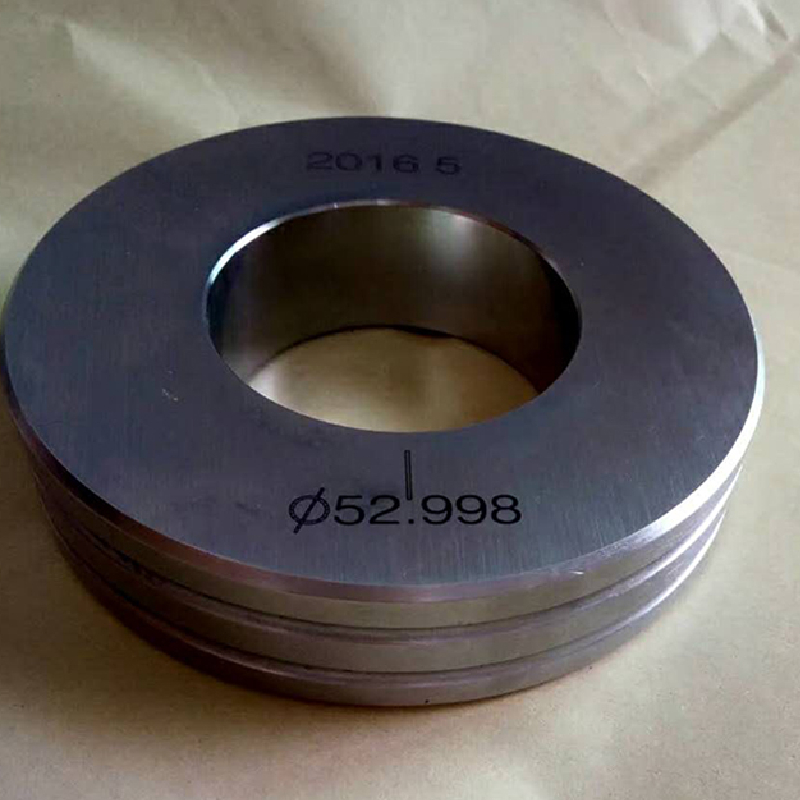
water pressure reduction valve
The world of plumbing often seems straightforward until issues like high water pressure disrupt your
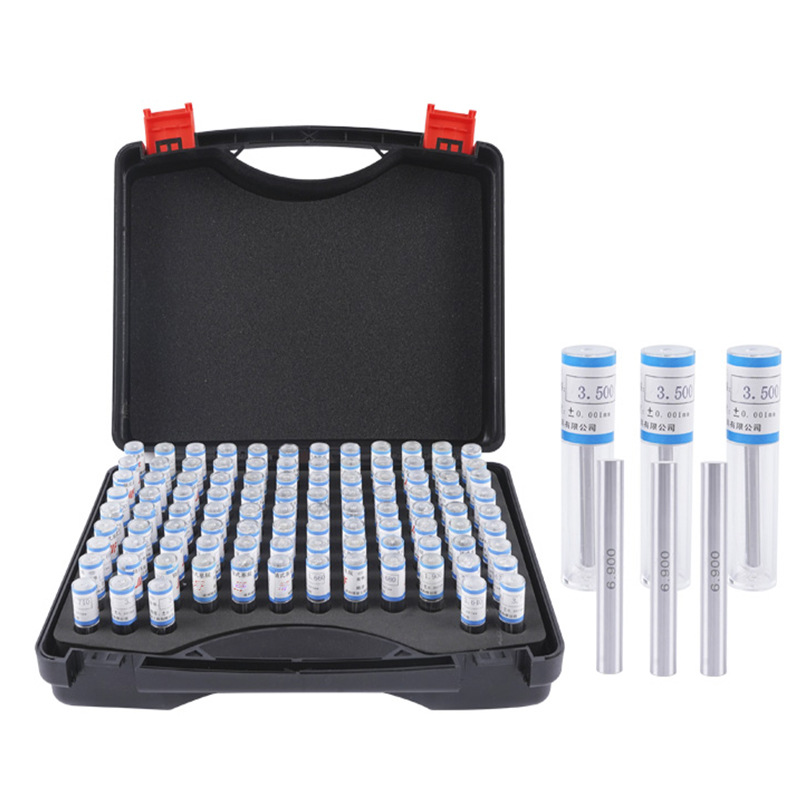
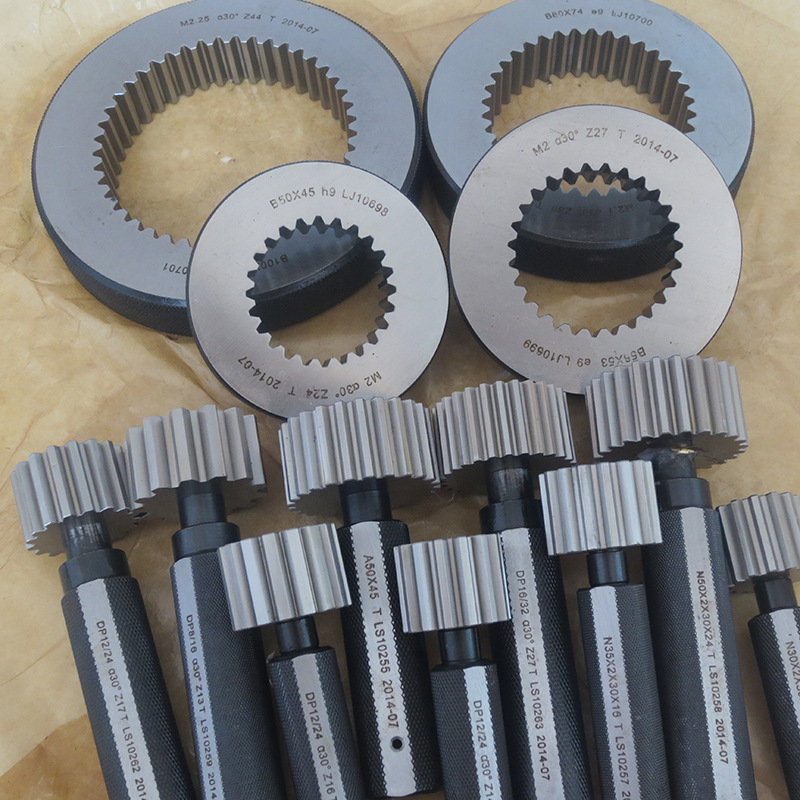
Using Tapered Plug Gauges for Precision Measurement and Quality Control in Manufacturing
Understanding Taper Plug Gauges and Their Applications In precision engineering and manufacturing, e
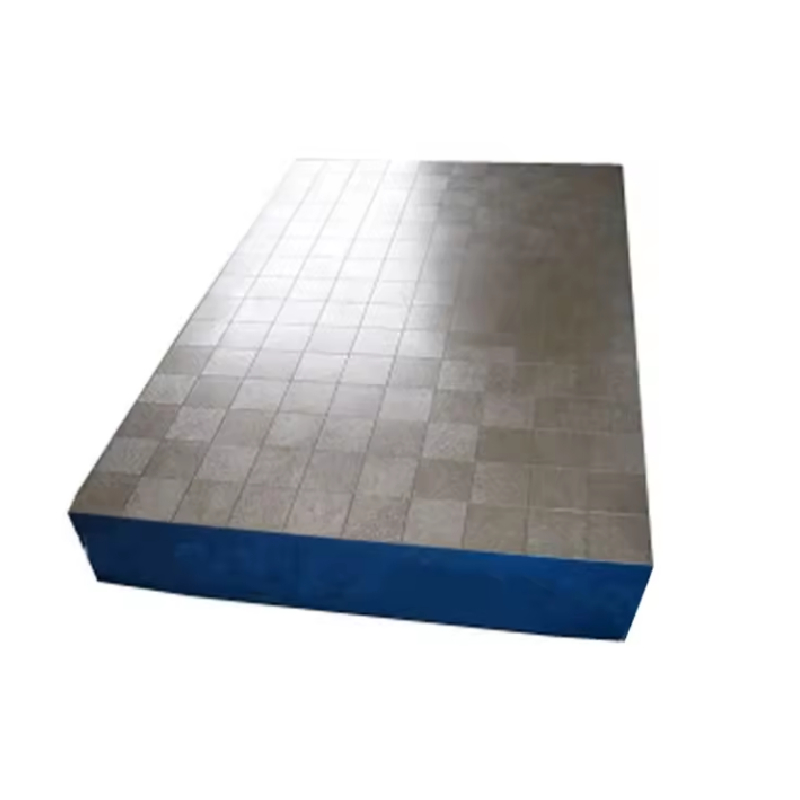
Welding Fabrication Techniques for Efficient Metalworking Projects
Understanding Welding Fabrication A Comprehensive Overview Welding fabrication is an essential part
 English